
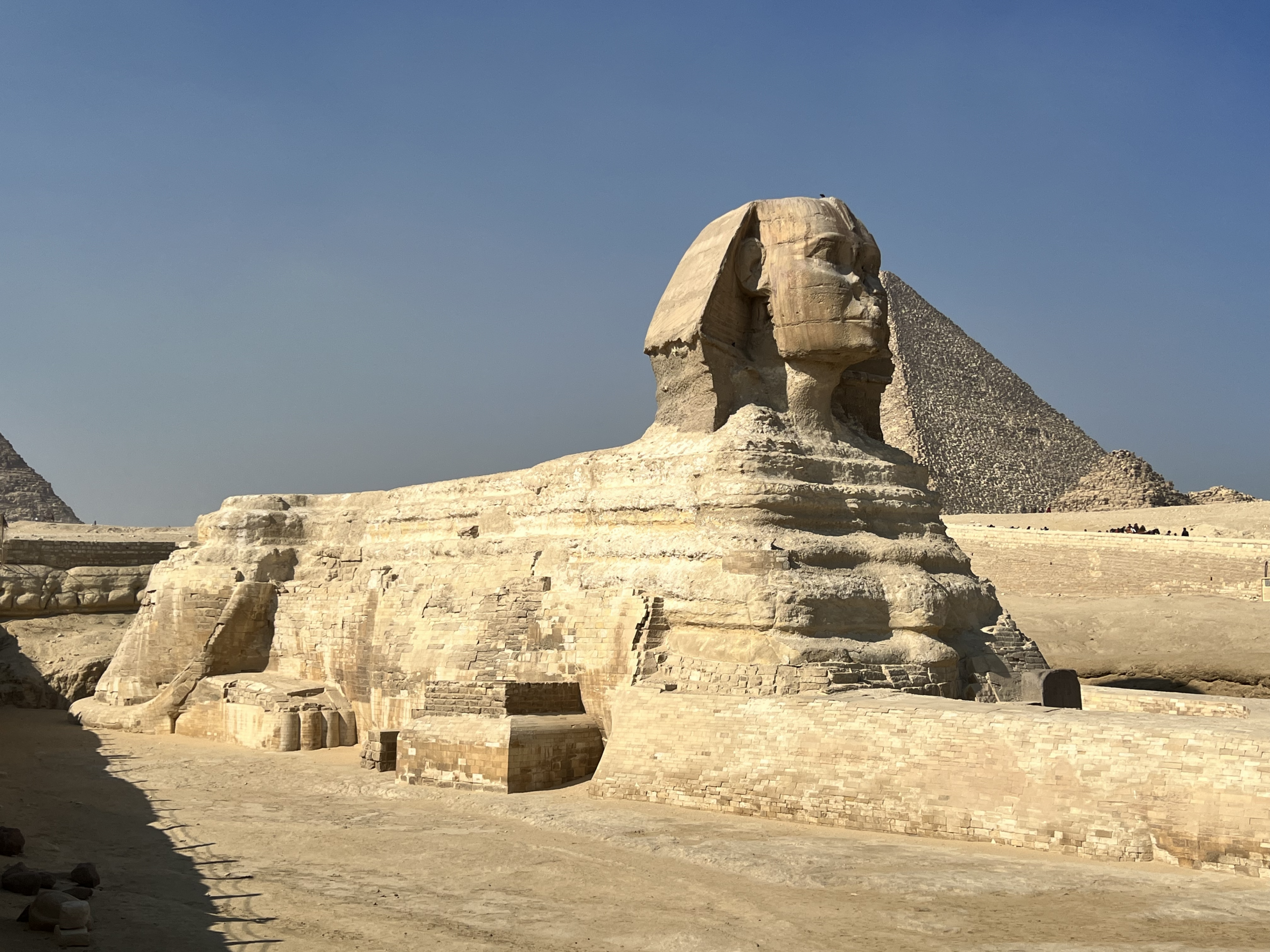
Ancient Egypt: one of the most fascinating civilisations combining art, spirituality, and communications whose scale we can still catch a glimpse of through the pyramids, Karnak Temple, Abu Simbel, and the Grand Egyptian Museum. So many artifacts, and still, even after Champollion unlocked the meaning of hieroglyphs thanks to the Rosetta Stone in 1822, there is so much mystery about their incredible engineering, religion and language!
We sat down with Egyptologist Dr Arto Belekdanian to uncover about some of Ancient Egypt’s greatest mysteries, from how the pyramids were built and what happened to the Sphinx’s nose to the little-known stories of female pharaohs and the artists behind iconic masterpieces like Nefertiti’s bust.
The Fascination of an Endless Civilisation
For Belekdanian, Egyptology was never initially intended to become a career. Although fascinated by mythology and ancient religion from a young age, it was only after taking an introductory course at the American University in Cairo that he realised he had found his calling. What continues to inspire him is the extraordinary breadth of the discipline.
“You’re learning architecture, art, language and society all at once,” he explains.
Studying Ancient Egypt becomes far more than studying a distant civilisation. It offers an entry point into multiple fields while constantly reminding us how much there is still left to discover.
How Were the Pyramids Really Built?
Few questions generate more curiosity than the construction of the pyramids. Popular culture has fuelled countless theories involving lost technologies and even extraterrestrials.
For Belekdanian, however, the archaeological evidence already provides convincing explanations.
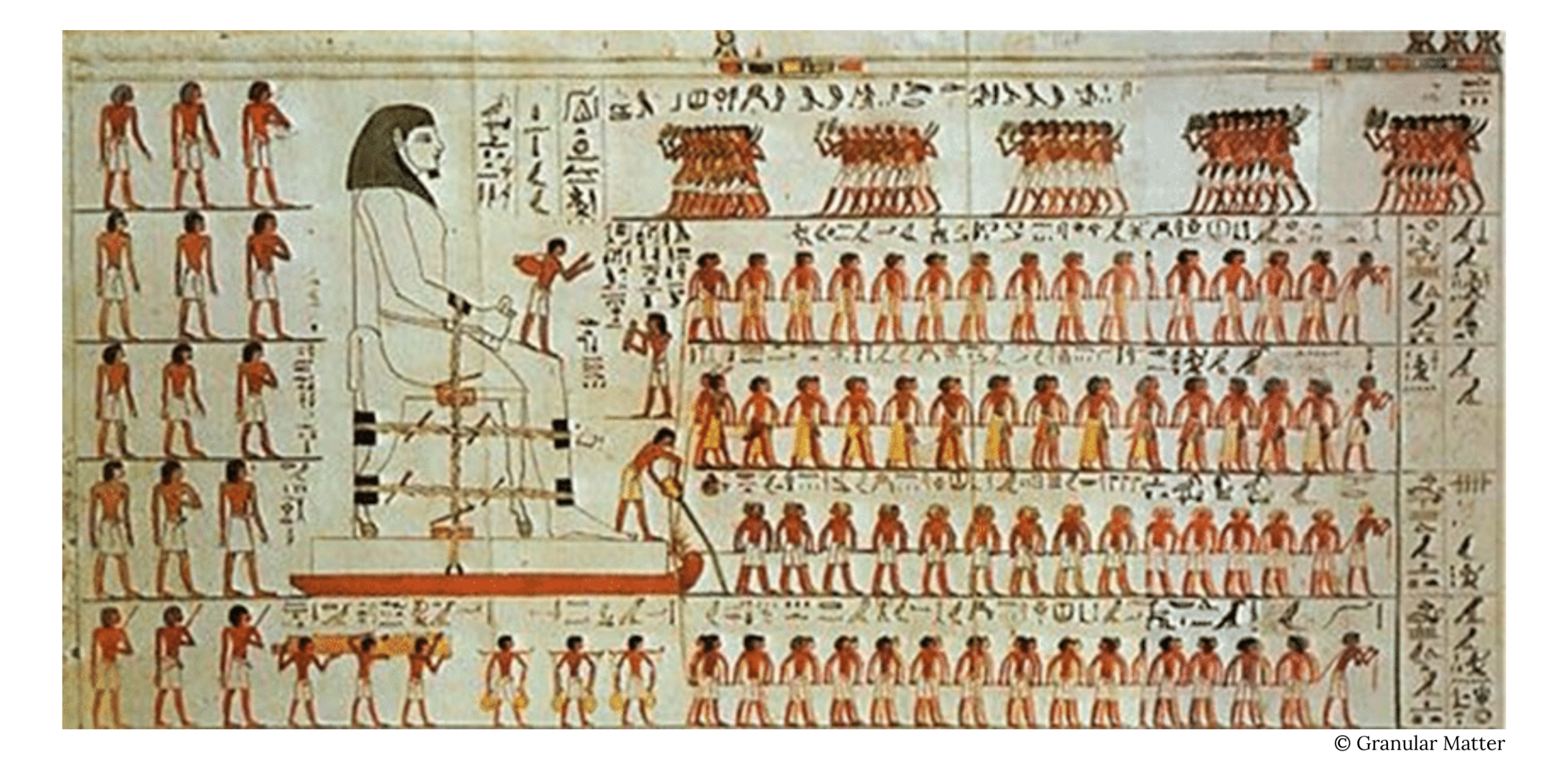
One particular Ancient Egyptian tomb scene near Minya depicts workers transporting colossal statues on sledges. Archaeologists have also uncovered the prepared pathways used to move massive stone blocks towards construction sites.
The secret, he explains, was surprisingly ingenious: the Egyptians used a type of desert clay called tafla, which becomes extremely slippery when wet. This tomb painting even shows a worker pouring water in front of the sledge to reduce friction!
The Forgotten Artists of Ancient Egypt
One surprising aspects of Ancient Egypt is that artists’ names are generally not known to the general public. But we actually know some them.
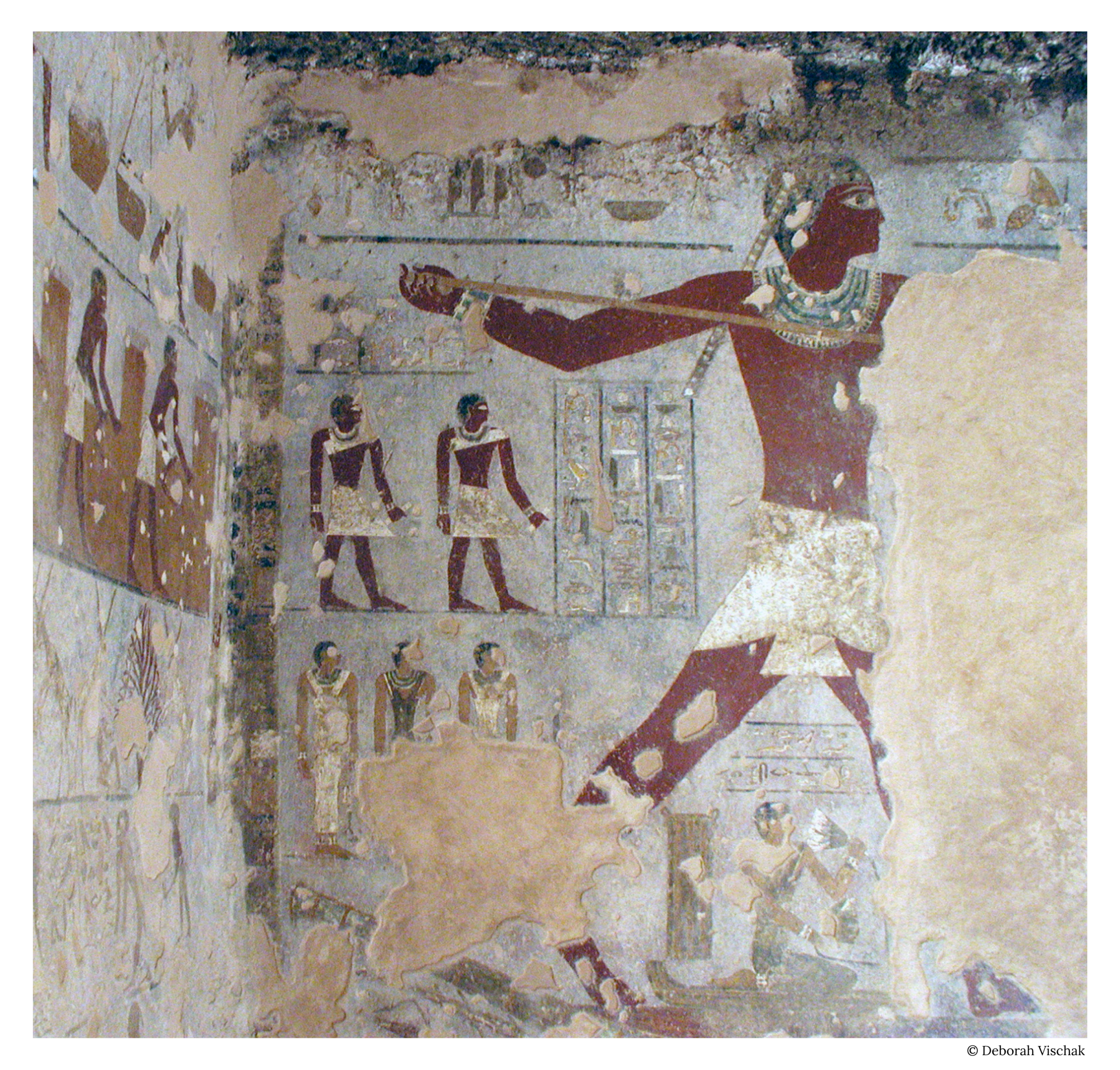
An artist named Seni left an inscription in a tomb near Akhmim (see above picture) declaring: “I made the tomb of the count Kheni and the tomb next door as well. And I did it alone.”
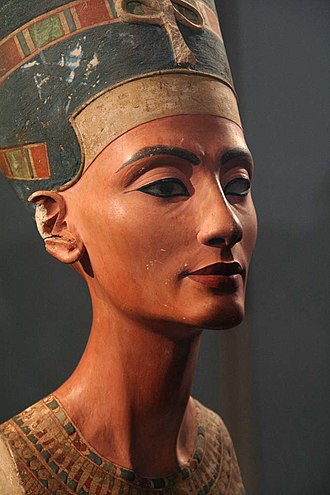
Even more remarkably, there is strong evidence identifying the creator of one of the most famous works of art in history: the iconic bust of Nefertiti (see above picture).
The artist is believed to be Thutmose, whose workshop in Amarna contained the unfinished masterpiece and numerous other artistic works. His title, s-ankh, literally means “the one who causes to live”, which also means artist.
Thousands of years later, the creator behind one of history’s most recognisable faces is no longer anonymous.
The Queens Who Became Female Kings
When we think of Ancient Egypt, names such as Ramses II or Tutankhamun immediately come to mind. Yet female rulers remain comparatively unknown. According to Belekdanian, there were four confirmed female pharaohs, with evidence suggesting there may have been two more.
The most famous is Hatshepsut, but she was not the first.
Sobekneferu, who ruled centuries earlier, is the first confirmed female king of Ancient Egypt. Interestingly, these women were not considered queens in the modern sense. They became kings.
Ancient Egyptian kingship was fundamentally male, both politically and religiously. In times of crisis or succession difficulties, however, powerful women could undergo the rituals of kingship and assume the full role of ruler.
“If you undergo the rituals of becoming a king, dress like a king, do what a king does and hold the title of king,” Belekdanian says, “then congratulations, you’re a king!“
Hatshepsut’s early statues depict her as a woman dressed in royal regalia. Later representations portray her entirely as a male king, although inscriptions still referred to her as “Her Majesty”.
Even Nefertiti may have ruled as a female pharaoh, a theory that continues to generate significant scholarly debate.
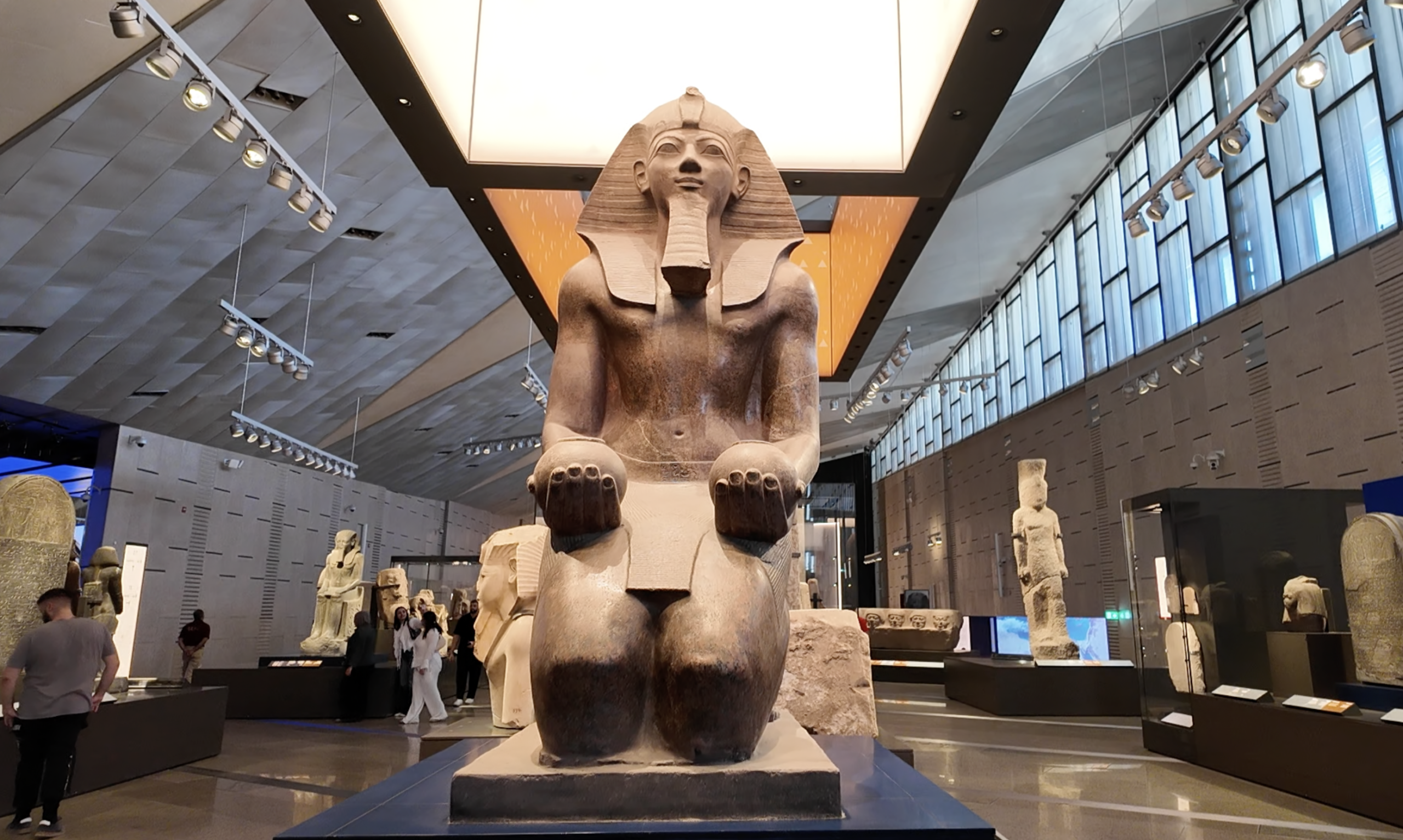
For Belekdanian, the true beauty of Egyptology lies not only in uncovering mysteries, but in recognising our shared humanity with people who lived thousands of years ago.
“It’s a world full of wonder, gods and magical creatures,” he says. “But at the end of the day, it’s a reflection of yourself because you realise that, as different as they are, they’re still just people.”
Perhaps that is why Ancient Egypt continues to captivate us. Beyond the monuments and legends, it reminds us that across cultures and across millennia, human beings remain remarkably similar: curious, creative, ambitious and endlessly fascinated by the mysteries of life.
FIND OUT MORE
Instagram: @arto.belekdanian
Cover photo © Emmy Plaschy
Podcast episode available: Spotify, Apple Podcasts, Anghami.
This interview has been edited for length and clarity.